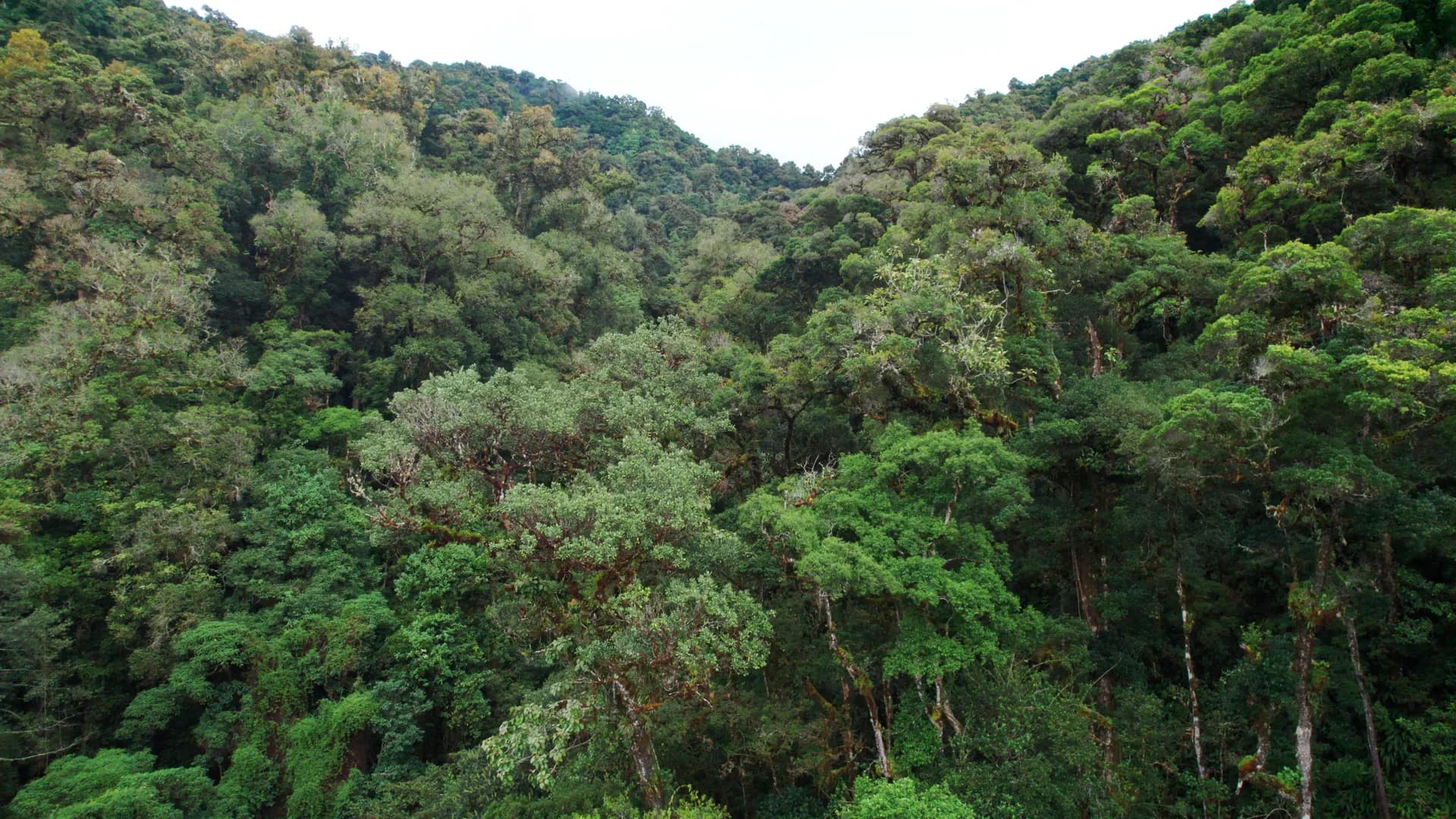
Costa Rica · 2,200 m
San Gerardo de Dota
Savegre valley, Talamanca highlands
The most reliable quetzal site in Costa Rica. Guides follow fruiting wild-avocado trees along the Savegre river, often within a short walk of the lodges.
Book a local guide in Costa Rica or Panama and see a
Pharomachrus mocinno
The crimson-and-emerald trogon of the cloud forest. Local guides know which trees it is feeding in this week, so you see it at dawn instead of by luck.
Hear its callRecordings on xeno-cantoPick a place and a month. Darker squares mean fewer sightings, bright squares are the nesting months, when males stay close to the nest and call at dawn.
San Gerardo de DotaCosta Rica · 2,200 m
MonteverdeCosta Rica · 1,500 m
Los Quetzales National ParkCosta Rica · 2,000–3,000 m
Sendero Los QuetzalesPanama · 1,900–2,500 m
La Amistad, Las NubesPanama · 2,200 m
Your pick
San Gerardo de Dota in February
Peak. Nesting season: males display and visit nest cavities, best from 6:00 to 9:00 am.
A planning guide based on the nesting season and fruit cycles, not a guarantee. Conditions change from year to year; your guide knows this week’s active nests.
Five cloud-forest areas where local guides find it, from Monteverde to the slopes of Volcán Barú.

Costa Rica · 2,200 m
Savegre valley, Talamanca highlands
The most reliable quetzal site in Costa Rica. Guides follow fruiting wild-avocado trees along the Savegre river, often within a short walk of the lodges.

Costa Rica · 1,500 m
Tilarán range, Puntarenas
The classic cloud forest. Quetzals nest here from February to June, then many move to lower slopes, so plan Monteverde for the first half of the year.
Costa Rica · 2,000–3,000 m
Cerro de la Muerte, Talamanca
High oak forest above San Gerardo, named after the bird. Combine it with highland specialties such as Fiery-throated Hummingbird.
Panama · 1,900–2,500 m
Volcán Barú National Park, Boquete to Cerro Punta
Panama’s best-known quetzal trail, on the slopes of Volcán Barú. The dry season from January to April makes the trail easier.
Panama · 2,200 m
La Amistad International Park, Cerro Punta
The Panama side of the Talamanca range. Quieter trails and the same cloud-forest band as the Costa Rican highlands.
Dawn walks in the cloud forest with guides who live there. Book with a deposit.
San Gerardo de Dota and Cerro La Muerte, Costa Rica · 8 h · SUEÑOS NATURA
San Gerardo de Dota and Cerro La Muerte, Costa Rica · 11 days · Hummingbirds of Costa Rica
San Gerardo de Dota and Cerro La Muerte, Costa Rica · 3 h
Monteverde, Costa Rica · 5 h · Monteverde Wild
San Gerardo de Dota and Cerro La Muerte, Costa Rica · 1 day · SUEÑOS NATURA
San Gerardo de Dota and Cerro La Muerte, Costa Rica · 2 h · David Céspedes
Free · reply by email
Tell us when you travel. We reply with the best place for your month, the hour to be there, and the local guides who have dates free.
The male’s famous streamers are upper-tail coverts, feathers that grow over the real tail and reach up to 65 cm. They ripple behind him in flight. Females have no streamers.
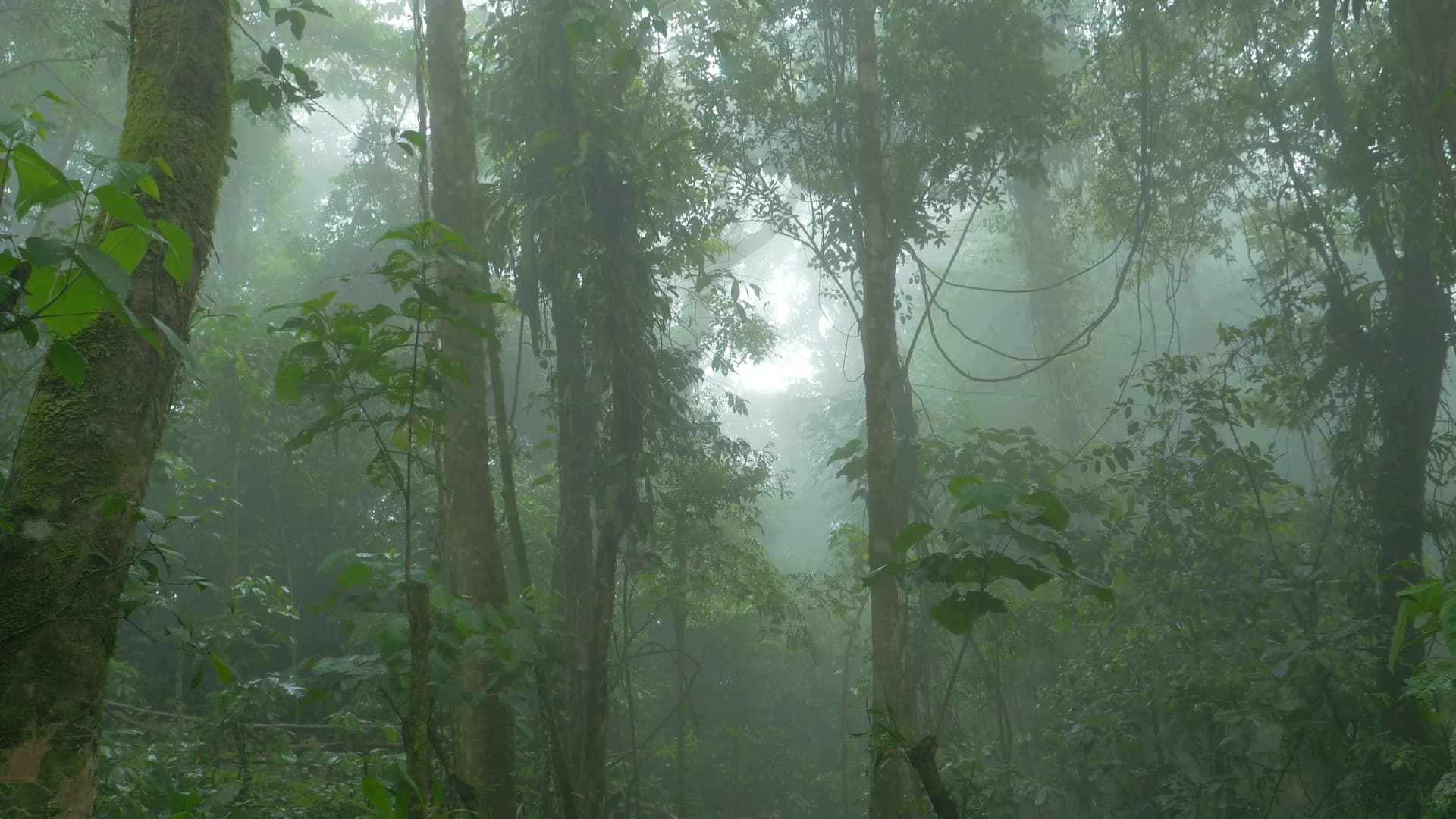
Montane cloud forest from southern Mexico to western Panama, mostly between 1,200 and 3,000 m. In Costa Rica and Panama it lives in the Tilarán and Talamanca ranges and on Volcán Barú.
Its diet is mostly fruit of the laurel family, above all small wild avocados. It swallows them whole and brings the seed back up, which spreads the trees. Chicks are also fed insects, frogs and lizards.
Pairs dig a cavity in a rotting trunk. Both parents incubate one or two pale blue eggs for about 18 days, and the male’s streamers often hang out of the nest hole.
After nesting, many quetzals move down the mountain to follow fruiting trees and return months later. That is why the best place changes with the month.
Its green is structural colour, made by the shape of the feathers. Depending on the light, the same bird can flash emerald, turquoise, blue or gold.
Maya and Aztec rulers prized its tail feathers. Today it is the national bird of Guatemala, on its flag and coat of arms, and the Guatemalan currency is the quetzal.
| Trait | Male | Female |
|---|---|---|
| Tail | Two green streamers up to 65 cm beyond the tail | No streamers; black-and-white barred under the tail |
| Head | Bright green crest that makes the head look round | Smaller crest, duller bronze-green head |
| Breast and belly | Deep crimson | Grey-brown breast, red only on the lower belly |
| Bill | Yellow | Dark |
| Upperparts | Iridescent emerald green | Green but less glossy |
San Gerardo de Dota, in the Savegre valley of Costa Rica, gives the most reliable sightings through most of the year. Monteverde is excellent from February to June. In Panama, go to the Sendero Los Quetzales on Volcán Barú, between Boquete and Cerro Punta.
March to June, during the nesting season, when males stay near the nest and call at dawn. January, February and July are also good in the highlands. From September to November sightings are harder because many birds move downslope.
Monteverde peaks from February to June and is easy to combine with other Costa Rica stops. San Gerardo de Dota is higher, colder and more reliable for more months of the year. If the quetzal is your main goal, pick San Gerardo.
Yes. Western Panama has the same cloud-forest band as Costa Rica. The best areas are Volcán Barú National Park, including the Sendero Los Quetzales, and La Amistad International Park around Cerro Punta.
In humid montane cloud forest from southern Mexico through Guatemala, Honduras, El Salvador and Nicaragua to Costa Rica and western Panama, mostly between 1,200 and 3,000 m.
Mostly fruit of the laurel family, especially small wild avocados, which it plucks in flight and swallows whole. It also takes insects, frogs and lizards, mainly when feeding chicks.
The male has long green tail streamers, a crimson belly and a yellow bill. The female has no streamers, a grey-brown breast with red only on the lower belly, a barred undertail and a dark bill.
It is green, but the colour is structural, so in some light the same feathers look blue or turquoise. That is why many photos show a “blue” quetzal.
It is listed as Near Threatened by the IUCN. Its population is falling because cloud forest is being cleared. Tourism that pays local guides gives communities a reason to protect the forest.
It was sacred to the Maya and became a symbol of liberty for Guatemala. It appears on the flag and coat of arms, and the national currency is called the quetzal.
It helps a lot. Quetzals sit still in the canopy and are easy to miss. Local guides know which trees are fruiting and where the active nests are each week, and most bring a telescope.
Ready to see your first quetzal?